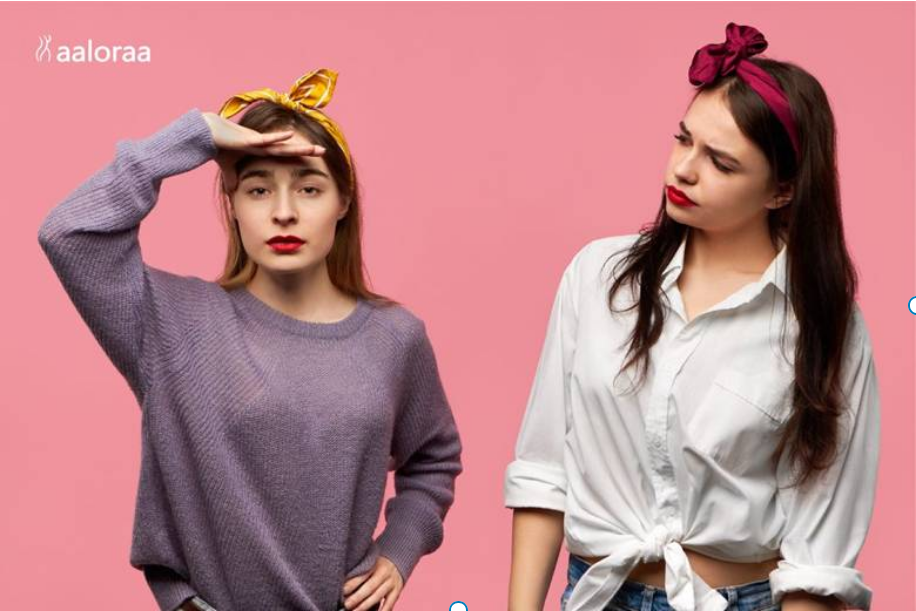
Have you ever bought an outfit just because it was “trending,” even if it wasn’t originally your style? You’re not alone. Fashion trends influence what we wear, how we present ourselves, and even how we feel about our identity. But following trends is not just about clothing. It is deeply rooted in human psychology. From the need to belong to the thrill of something new, our choices are often guided by forces we do not even realize.
The Need to Belong
What's in this article...
At our core, humans are social beings. We all want to feel accepted, included, and connected to others. Fashion plays a subtle yet powerful role in fulfilling this need.
When we follow trends, we send a signal:
- “I belong to this group.”
- “I understand current culture.”
- “I fit in.”
Whether it is dressing like colleagues at work or mimicking styles seen on social media, trends inspired by modern lifestyles, including Delhi escorts, help us blend into our surroundings. This reduces the fear of being judged or excluded. In many ways, clothing becomes a social language, one that communicates belonging without words.
The Influence of Social Proof
Why do certain styles suddenly become popular? The answer lies in social proof. It is a psychological phenomenon where people copy the actions of others. When we see influencers wearing a particular style, celebrities endorsing a trend, or friends adopting a new look, it creates a sense of validation. If everyone is doing it, it must be right.
Social media amplifies this effect. A single viral post can turn an ordinary outfit into a global trend overnight. Along with this comes FOMO (fear of missing out), pushing people to adopt trends quickly just to stay relevant.
The Desire for Self-Expression
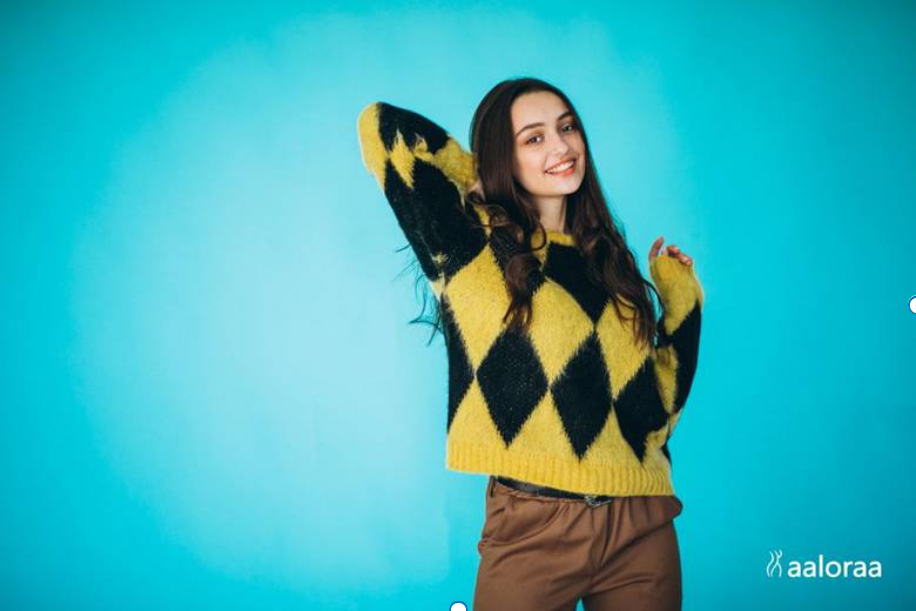
Fashion is often seen as a form of self-expression. It is a way to show the world who we are. Interestingly, trends play a dual role here.
- On one hand, people follow trends to fit in.
- On the other hand, they use them to stand out.
This creates a paradox: We adopt popular styles but personalize them to reflect our individuality, an idea often echoed by Birmingham escorts in their approach. For example, two people might follow the same trend but style it differently based on their personality.
In this sense, trends act as a creative framework, a starting point for experimentation, and a safe way to explore new identities.
The Role of Marketing & Consumer Psychology
Fashion trends do not just happen. They are often carefully created and promoted by brands. Marketing strategies are designed to influence consumer behavior on a psychological level.
Some powerful triggers include:
- Scarcity: Limited edition collections create urgency.
- Novelty: Constant new arrivals keep consumers interested.
- Aspiration: Ads showcasing luxurious lifestyles make products more desirable.
Brands also tell stories. They sell not just clothes, but a lifestyle. When you buy into a trend, you are often buying into a narrative of who you could become. This makes trends feel less like a choice and more like a necessity.
Emotional Satisfaction & the Dopamine Effect
There is a reason why buying new clothes feels so good. It is not just about appearance; it believes confidence starts with how you present yourself. It is about emotion. Shopping and trying new trends can boost confidence, create excitement, and provide a temporary mood lift.
This is linked to dopamine, the “feel-good” chemical in the brain. Each new purchase gives a small emotional high, which encourages repeated behavior. However, this satisfaction is often short-lived, leading people to chase the next trend for another boost.
Conclusion
The reason we follow fashion trends goes far beyond aesthetics. It is driven by a combination of psychological factors, such as our need to belong, the influence of social proof, the desire for self-expression, and the power of marketing.
Understanding these forces helps us make more mindful choices. Instead of blindly following every trend, we can choose what truly resonates with our personality and values. In the end, fashion should reflect who you are, not just what’s trending.